MIT PROCESSING , Made in Taiwan
設計老爹 │
窩客幫 │
工程網 │
家事網 │
加工網 │
MIT製造網 │
MIT新聞網 │
清潔服務 │
搬家網 │
租車網 │
維修網 │
學習網 │
愛美網 │
開鎖網 │
好家網 │
掏客網 │
小華陀 │
野外生活網 │

目前瀏覽人數776



smtekco

推薦店家
夢思達Monsters Works
傑瑞旅遊
菁后蛋捲
滿章生物科技有限公司
多元貸-貸款公司,台北貸款公司,大安區貸款公司
魔憶國際貿易有限公司-汽車模料,台中汽車模料廠商,西區汽車模料廠商
大虔帆布企業社-南臺灣帆布
昕樂小客車租賃有限公司
Mit推薦
友站連結

SMTEK ELECTRONIC INDUSTRIES CO., LTD.-SMT,Taiwan SMT,

店家文章分享
Introduction to SMT Technology – What Is SMT?
2025-12-01
Introduction to SMT Technology – What Is SMT?

SMT (Surface Mount Technology)
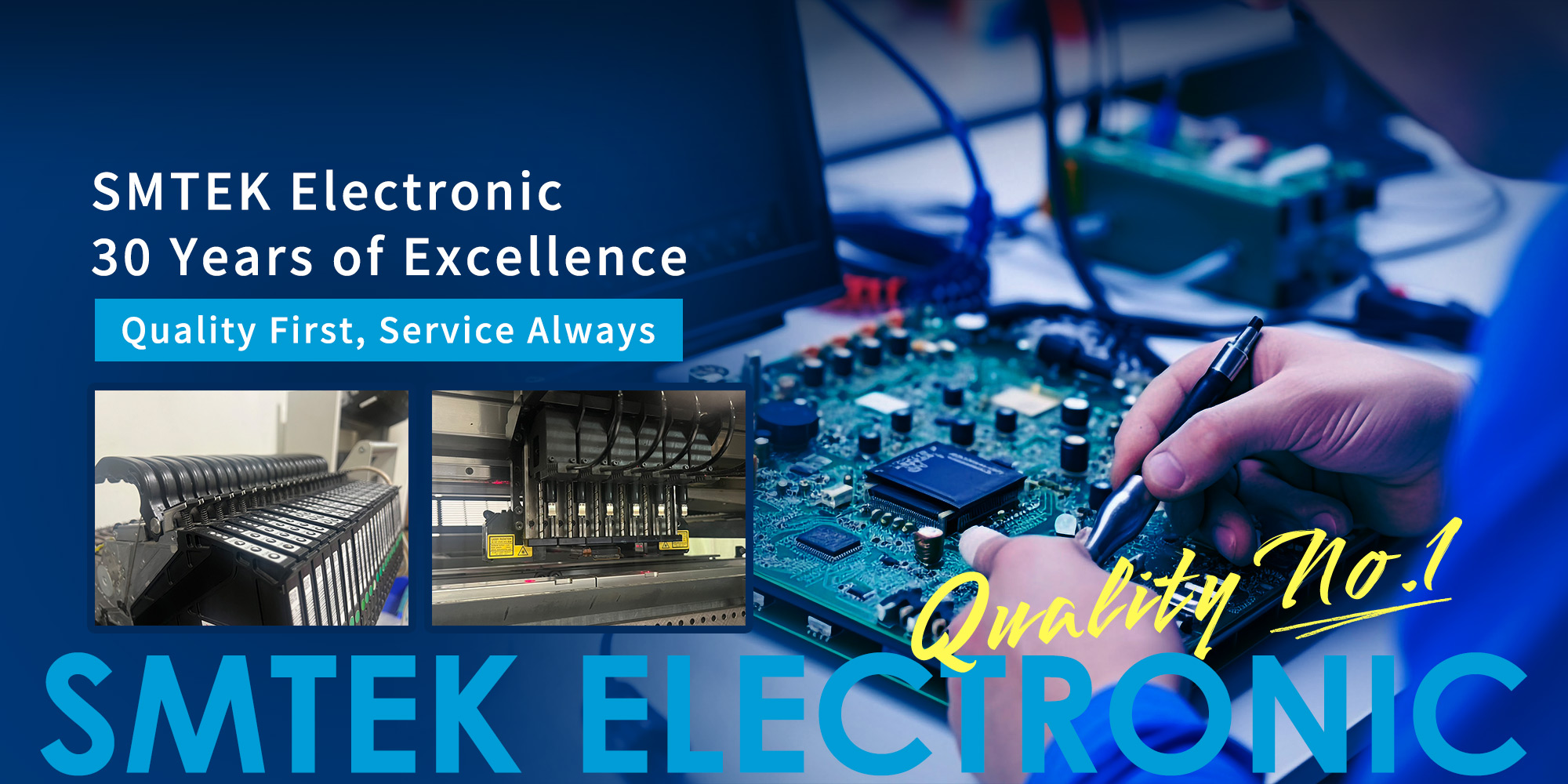
SMT, or Surface Mount Technology, is an electronic assembly method in which electronic components are soldered directly onto the surface of a Printed Circuit Board (PCB), rather than inserting component leads through holes as in traditional through-hole mounting (THT). SMT is widely used in modern electronic devices such as mobile phones, computers, and household appliances.
Key Features and Advantages of SMT Technology
1. Component Installation Method
In SMT, components are miniaturized and designed for surface mounting. These components are typically leadless or have very short leads and are installed directly onto the PCB surface.
Common SMT components include resistors, capacitors, diodes, transistors, and integrated circuits (ICs).
2. Production Process
The SMT assembly process typically includes the following stages:
Solder Paste Printing: A thin layer of solder paste is applied to the PCB pads.
Component Placement: Automated pick-and-place machines accurately position components onto the solder paste.
Reflow Soldering: The assembled PCB is heated in a reflow oven, causing the solder paste to melt and form solid solder joints.
Inspection & Testing: After reflow, visual inspection, Automated Optical Inspection (AOI), or X-ray inspection is conducted to ensure soldering quality.
3. Advantages of SMT Technology
High Production Efficiency: Enables high-density component placement and faster production rates.
Miniaturization: Smaller components help reduce PCB size, allowing more compact and lightweight product designs.
High Automation: Highly automated production lines support mass production and reduce labor costs.
High Reliability: SMT solder joints are typically strong and offer better vibration resistance than traditional through-hole soldering.
Space Saving: Without long component leads, PCB space usage is reduced, enabling denser layouts and dual-sided component placement.
4. Challenges
Component Damage Risk: Tiny components may be more susceptible to handling and soldering damage.
Thermal Management: High-power components may face heat dissipation challenges during assembly and operation.
Initial Cost: Precision SMT equipment and design requirements may increase initial setup costs.
5. Application Fields
SMT technology is widely used in:
Consumer Electronics: Smartphones, laptops, TVs, gaming consoles.
Industrial Electronics: Control systems, robotics, automation equipment.
Telecommunications: Base stations, routers, switches.
Automotive Electronics: Navigation systems, climate control modules, battery management systems.
Summary
SMT technology significantly improves production efficiency, reduces the size of electronic devices, and drives innovation and development across modern electronics.
其它店家文章
2025-12-01
2025-12-01
服務項目:
電子製造材料用品,電路板,半導體代工
特別關鍵字:
SMT,Taiwan SMT,Taipei SMT,SMT Manufacturing,Taiwan SMT Manufacturing,Taipei SMT Manufacturing,SMT Assembly,Taiwan SMT Assembly,Taipei SMT Assembly,SMT Processing,Taiwan SMT Processing,Taipei SMT Processing,DIP,Taiwan DIP,Taipei DIP
小工匠家事網-聯絡資訊
付款方式
免責聲明本網站僅提供製造業公司資訊參考平台, 並不涉入其中任何諮詢、交易。本網站對各該製造業公司相關資訊亦不作任何實質或形式上之審查。就本網站中所載一切製造業公司的資訊、文字、照片、圖形 、產權、廣告內容、或其他資料(以下簡稱『內容』),無論其為公開張貼或私下傳送,若有不實或違法情事,均為『內容』提供者之責任,本站概不負責也不承擔任何法律責任
免責聲明本網站僅提供製造業公司資訊參考平台, 並不涉入其中任何諮詢、交易。本網站對各該製造業公司相關資訊亦不作任何實質或形式上之審查。就本網站中所載一切製造業公司的資訊、文字、照片、圖形 、產權、廣告內容、或其他資料(以下簡稱『內容』),無論其為公開張貼或私下傳送,若有不實或違法情事,均為『內容』提供者之責任,本站概不負責也不承擔任何法律責任